Water heaters are essential appliances in homes. Whether you want to take a hot shower, wash...
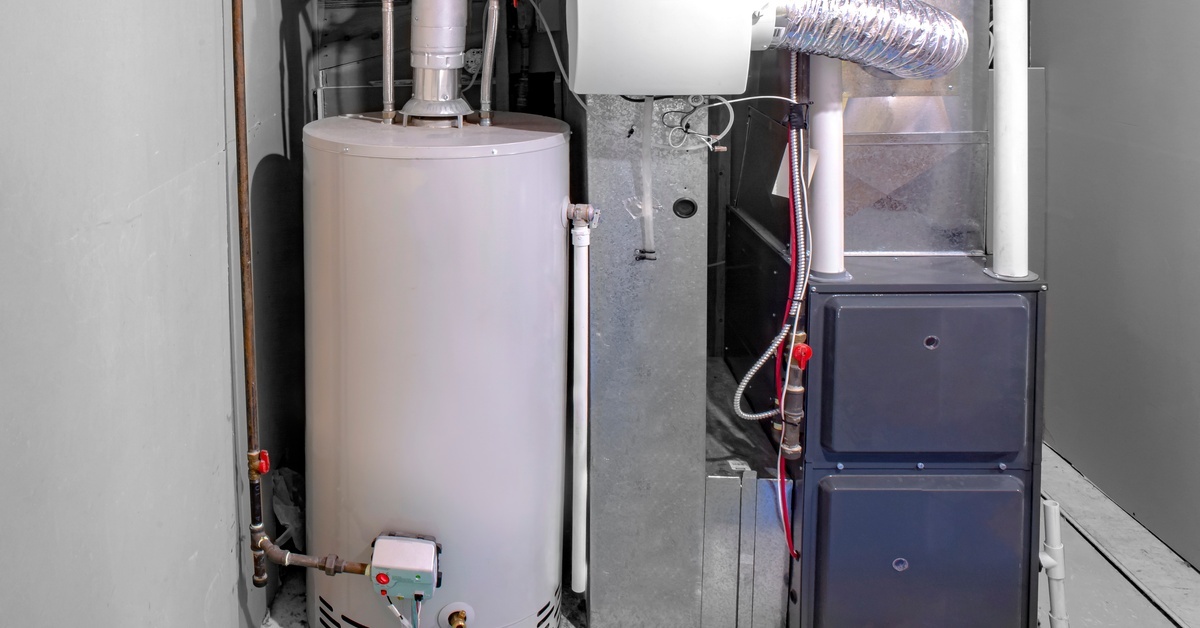
We’ve all been there during the first cold snap of the year. You walk over to the thermostat, bump up the heat, and wait for that comforting rush of warm air. But sometimes, that warmth comes with a hefty price tag attached to your monthly utility bill. If you find yourself dreading the arrival of your heating costs almost as much as the freezing temperatures outside, your furnace’s efficiency might be the culprit. Understanding how your heating system uses fuel is the first step toward reclaiming comfort without emptying your wallet.
This understanding is where the AFUE rating enters the conversation. While it sounds like just another confusing industry acronym, understanding this simple metric can change how you view your home’s energy consumption. When you know what to look for, you can make smarter decisions about upgrades that save money in the long run. Let’s break down what you should know about AFUE ratings before buying a furnace.
What Is AFUE?
The HVAC industry loves acronyms, but AFUE is one you really need to know. It stands for Annual Fuel Utilization Efficiency. Think of this rating as a report card for your furnace. It measures how efficiently your furnace converts fuel into heating energy over the course of a typical year.
Technicians and manufacturers calculate this by comparing the amount of fossil fuel the furnace consumes to the amount of heat it actually pumps into your home. The result appears as a percentage. For example, if a furnace has an AFUE rating of 80 percent, it converts 80 percent of the fuel it uses into usable heat.
This measurement differs significantly from the steady-state efficiency, which only measures efficiency when the furnace runs at its peak. AFUE accounts for the start-up and cool-down cycles, providing a more realistic picture of seasonal performance. Older, outdated furnaces often operate with AFUE ratings as low as 56 percent to 70 percent. Modern standards have pushed this much higher, meaning replacing an old unit can result in immediate, tangible savings on your energy bills.
AFUE Ratings Explained
Furnace efficiency falls into three main categories. Understanding the differences helps you balance upfront costs with long-term savings.
Low-Efficiency Furnaces
Historically, most homes relied on furnaces with AFUE ratings below 80 percent. These units use a continuous pilot light and heavy heat exchangers. While they get the job done, they waste a significant amount of fuel. The Department of Energy has updated standards over the years, so you will not find new furnaces on the market today with ratings below 78 percent. If your current unit falls into this category, you are likely paying far more for heat than necessary.
Mid-Efficiency Furnaces
Mid-efficiency units represent a significant step up from older models. These furnaces typically feature an electronic ignition rather than a pilot light, which eliminates the constant fuel burn required to keep a pilot lit. They also use fans to control the flow of combustion air and exhaust gases more precisely.
High-Efficiency Furnaces
High-efficiency furnaces represent the pinnacle of heating technology. These units, often referred to as condensing furnaces, use a second heat exchanger to extract heat from the exhaust gases that standard furnaces would simply vent outside. By capturing this “waste” heat, they squeeze nearly every bit of energy from the fuel.
Factors Affecting AFUE Ratings
While the AFUE rating on the yellow EnergyGuide label tells you the furnace’s potential, real-world performance depends on other variables. You cannot simply drop a high-efficiency unit into a poorly optimized home and expect miracles.
Installation quality plays a massive role. If a contractor sizes the furnace incorrectly or installs the venting improperly, the system will struggle to reach its rated efficiency. A furnace that is too large for the space will cycle on and off too frequently, reducing efficiency and wearing out parts faster. Conversely, a unit that is too small will run constantly, never quite making the home comfortable.
Your home’s envelope matters just as much as the machine itself. Leaky ductwork can sabotage even the most expensive furnace. If your ducts leak conditioned air into an unconditioned attic or crawlspace, you lose that heat before it ever reaches your living room. Similarly, poor insulation and drafty windows force the furnace to work harder to maintain the set temperature. To get the most out of a high AFUE rating, you must address the entire heating ecosystem, including ducts, insulation, and ventilation.
Special Considerations for Mobile Homes
Heating a mobile or manufactured home presents a unique set of challenges that differ from site-built housing. You generally cannot install a standard residential furnace in a mobile home due to specific construction standards and safety requirements regulated by HUD (Department of Housing and Urban Development).
Mobile homes typically utilize smaller air ducts and require a specialized downward airflow design, known as a downflow system, although some use upflow systems. The furnace must essentially force air through more restrictive ductwork than a standard home. Installing a standard furnace in this environment can lead to overheating and dangerous malfunctions because the fan cannot move air efficiently through the tighter system.
Ventilation requirements differ. Mobile home gas furnaces often need to draw fresh air directly from outside for combustion, rather than pulling air from the living space. This direction is a crucial safety feature in tighter, smaller spaces. Manufacturers design specific units to meet these rigorous safety and size constraints.
These units come in varying capacity levels to match the specific square footage and insulation levels of different mobile properties. Choosing a unit specifically engineered for manufactured housing guarantees that your system operates safely and passes all necessary inspections.

Choosing the Right AFUE Rating
Deciding between an 80 percent AFUE unit and a 95 percent AFUE unit often comes down to math and geography.
Climate
Climate serves as the biggest deciding factor. If you live in a region with long, harsh winters, your furnace will run for thousands of hours each year. In this scenario, the fuel savings from a 95 percent efficiency unit add up quickly. The extra upfront cost might pay for itself in just a few seasons. However, if you live in a milder climate where the heater only runs occasionally, the fuel savings might be too small to justify the higher price tag of a top-tier condensing furnace. An 80 percent unit might make more financial sense.
Budget
Your budget and future plans also weigh in. If you plan to stay in the home for ten or fifteen years, investing in high efficiency maximizes your long-term return. If you plan to move in two years, you might not recoup the investment of a 95 percent furnace, making the 80 percent option more attractive.
Fuel Prices
Fuel prices are another variable. When natural gas or propane prices rise, higher efficiency units become more valuable because they waste less of that expensive fuel. Take a look at your heating bills from last winter. Imagine cutting that cost by 15 percent or 20 percent. If that number is significant, a high-efficiency upgrade is likely the right move.
What To Do Next
Understanding AFUE ratings transforms a confusing purchase into a calculated investment. Whether you opt for the solid performance of an 80 percent unit or the maximum savings of a 95 percent model, knowing how efficiency impacts your wallet empowers you to make the right choice. Remember that the furnace is just one part of the equation; proper sizing, mobile-home-specific requirements, and professional installation are equally vital.
Don’t let another winter pass with an inefficient heating system draining your bank account. Take control of your home’s comfort and efficiency today. Contact Style Crest Heating and Cooling to discuss our range of products or schedule a service with our experienced team. We can help you find the perfect heating solution tailored to your specific needs.