Winter comes fast, and when temperatures drop, you rely on your furnace to keep your home warm and...

Summer heat can turn a cozy mobile home into an oven faster than you might expect. When the sun beats down on that metal roof, you need a reliable way to keep cool. While window units might offer a temporary fix, they often struggle to cool the whole home evenly and can block your view or compromise security. If you want a more permanent, efficient solution, installing a split-system air conditioner is a fantastic choice.
Mobile homes present unique challenges when it comes to HVAC systems. Unlike traditional site-built homes with attics and crawl spaces designed for extensive ductwork, mobile homes often lack the space for these large, invasive systems. Split systems solve this problem beautifully. They separate the noisy compressor outside from the quiet air handler inside, requiring only a small hole in the wall to connect them. This setup offers powerful cooling without the need for significant renovations.
Before you schedule that installation, however, you need to get your home ready. Proper preparation guarantees your new system runs efficiently and keeps you comfortable for years to come. Here’s how to prepare your mobile home for AC installation.
Assessing Your Mobile Home
Before you even look at air conditioning units, take a close look at your home’s current condition. An air conditioner works by removing heat from inside your home, but if heat keeps pouring in through cracks and thin walls, the unit will work overtime for little result.
Insulation
Start with insulation. Mobile homes, especially older models, sometimes lack sufficient insulation in the walls, floor, and ceiling. Check your insulation levels. If you feel drafts or notice that your walls feel hot to the touch during the day, you might need to add more insulation. Improving insulation keeps the cool air inside where it belongs, which reduces the workload on your new AC unit.
Windows and Doors
Next, examine your windows and doors. These are the most common escape routes for conditioned air. Run your hand around the frames of your windows and doors on a windy day. If you feel air moving, you have leaks. Seal these gaps with caulk or weatherstripping. Consider upgrading single-pane windows to double-pane models if your budget allows, as they offer significantly better thermal protection. Even simple additions like heavy curtains or thermal blinds can block radiant heat from the sun and help your new AC system perform better.
Under Mobile Home
Don’t forget the underside of your mobile home. The skirting around the base plays a significant role in temperature control. Make sure the skirting is intact and free of large holes. Proper ventilation in the skirting prevents moisture buildup, but you don’t want gaping holes that let in hot summer air or pests that could damage your home’s underbelly.
Choosing the Right AC Unit
Selecting the correct size for your air conditioner determines its efficiency and lifespan. Many homeowners make the mistake of thinking bigger is always better. An oversized unit will cool the air too quickly and shut off before it removes humidity, leaving you with a cold, clammy house. The frequent on-and-off cycling also wears out the compressor faster. On the other hand, an undersized unit will run constantly, driving up your electric bill while failing to reach your desired temperature.
You need to calculate the cooling load for your specific mobile home. This calculation considers square footage, insulation levels, window placement, and your local climate. Generally, HVAC professionals measure cooling capacity in tons. For mobile homes, units typically range from 1.5 to 4 tons. Style Crest Heating and Cooling offers a variety of sizes within this range to match your specific needs.
When looking at specifications, you will likely encounter the mini split AC for mobile homes as a top recommendation. These units offer high efficiency ratings (SEER) and precise temperature control. They work exceptionally well in mobile home layouts because they deliver air directly into the living space without losing energy through leaky ducts.
Consult with an expert to determine the exact tonnage you need. A professional assessment takes the guesswork out of the equation. Style Crest Heating and Cooling can guide you through these options, helping you balance your budget with your cooling requirements.
Installation Options: DIY vs. Professional Help
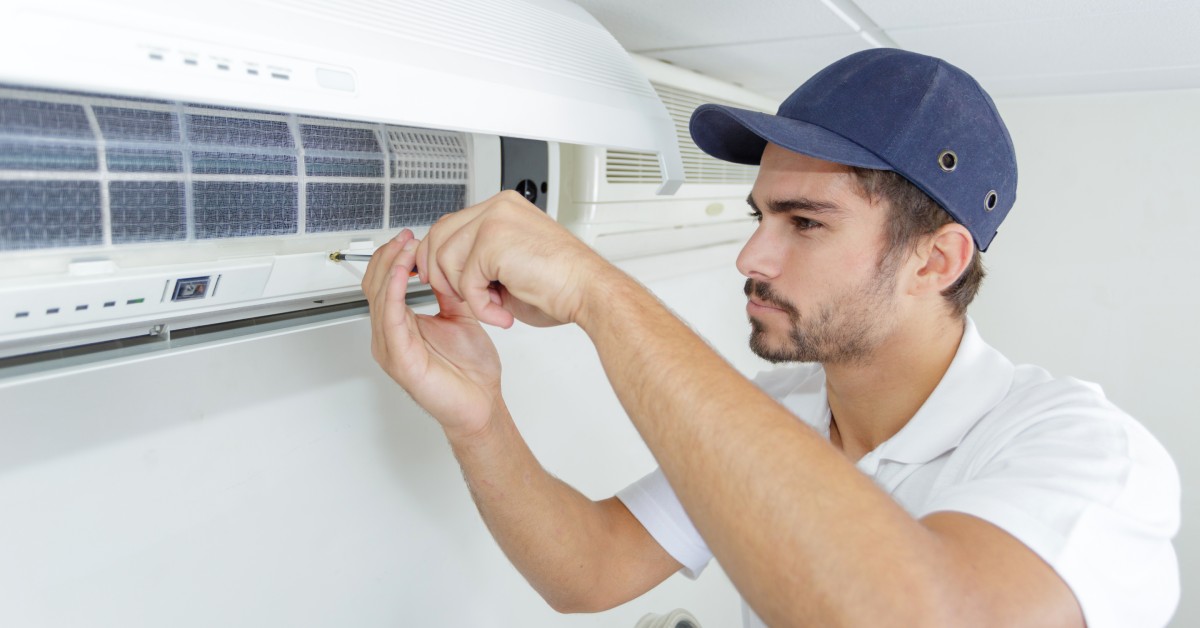
You might feel tempted to tackle the installation yourself to save money. While the internet offers plenty of tutorials, installing a split system involves complex steps that require specialized tools and knowledge. You must handle refrigerant lines, make precise electrical connections, and drill through your home’s exterior walls. One small mistake can lead to refrigerant leaks, electrical hazards, or a voided warranty.
Professional installation offers peace of mind. Experienced technicians know how to handle the specific structural nuances of mobile homes. They know where to drill to avoid hitting studs or wires and how to secure the units properly so they don’t vibrate or rattle the walls. Furthermore, professionals have the equipment to pressure test the lines and vacuum out moisture, steps that are critical for the system’s longevity.
Style Crest Heating and Cooling provides professional installation services that take the burden off your shoulders. Their team handles the heavy lifting, the technical hookups, and the testing. Choosing professional installation protects your investment. You spend good money on a quality air conditioner; professional installation makes sure it operates as designed.

Preparing the Installation Site
Once you decide on a unit and an installation plan, you need to prepare the physical space. The outdoor condenser unit needs a flat, stable surface. You cannot simply set it on the grass or dirt. Over time, the unit will sink or shift, which puts stress on the copper refrigerant lines. You generally need a concrete or composite pad for the unit to sit on.
Clear the area around the proposed outdoor site. The unit needs room to breathe. Remove any shrubs, tall grass, or debris within two feet of the unit. Good airflow allows the condenser to release heat efficiently. If you crowd the unit, it will overheat and fail prematurely.
Inside the home, clear the wall space where the air handler will go. The technicians need easy access to mount the bracket and lift the unit into place. Move furniture, artwork, and curtains away from the area. The indoor unit usually sits high on a wall, so make sure you have a clear path for a ladder.
Check your electrical panel as well. Central air conditioners and split systems require a dedicated circuit. They draw a significant amount of power, and sharing a circuit with other appliances will trip breakers and create fire hazards. An electrician or your HVAC installer needs to verify that your panel can handle the additional load. In some older mobile homes, you might need an electrical service upgrade before you can install modern air conditioning.
Determine the path for the line set. The line set connects the indoor and outdoor units. It includes the copper refrigerant tubes, a drainage hose, and electrical wiring. You want the path to be as short and straight as possible to look neat and function well. Your installer will help you map out the best route, but having a general idea helps you prepare the interior and exterior spaces.
Experience True Comfort
Installing a split-system air conditioner transforms life in a mobile home. You move from battling the heat with noisy fans and open windows to relaxing in a cool, quiet, and controlled environment. The key to this transformation lies in preparation. By assessing your home’s insulation, choosing the right size unit, and preparing the site correctly, you set the stage for a successful installation.
Don’t let the summer heat dictate your comfort. A well-installed AC system adds value to your home and improves your quality of life. While the process involves several steps, you don’t have to navigate it alone. From selecting the perfect tonnage to the final connection, expert help makes the difference.
If you want to upgrade your mobile home’s cooling system, Style Crest Heating and Cooling is ready to help. Their selection of high-quality units and professional installation services covers every aspect of the process. Contact Style Crest Heating and Cooling today to discuss your options and schedule your installation.