
When summer comes into full swing, the last thing any of us want is for our home to be as hot or...
We have all experienced that specific type of summer frustration. You retreat inside to escape the midday heat, only to find your living room feels more like a sauna than a sanctuary. The window air conditioner hums and rattles in the corner, straining to push cool air down the hallway, but the back bedroom remains stiflingly hot. You crank the dial to the coldest setting, yet the only thing that seems to drop is your bank account balance when the electric bill arrives.
Cooling a mobile home presents distinct challenges that standard site-built housing advice does not address. While window units are often the default choice for immediate relief, they rarely offer the most efficient or comfortable long-term solution. They block natural light, pose potential security vulnerabilities, and struggle to circulate air effectively due to the long, narrow layout of a manufactured home.
If you find yourself constantly battling inconsistent temperatures or excessive noise, you will be relieved to know that superior technology exists. Manufacturers have developed cooling solutions that cater specifically to the structural nuances of mobile homes. Upgrading your system can drastically improve your comfort, lower your energy consumption, and restore the peace and quiet you deserve in your own space. Continue reading to explore alternatives to window ACs for mobile homes.
Unique Cooling Needs of Mobile Homes
Before diving into specific equipment, one must understand why manufactured homes trap heat so aggressively. Unlike site-built homes with thick attics and deep wall cavities, mobile homes often feature thinner insulation and metal roofs that conduct heat straight into the living space. Furthermore, the crawl space beneath the floor exposes the home to ambient temperatures from below, meaning heat attacks from every angle.
Ductwork creates another common pain point. In many older mobile homes, the ducts run through the floor rather than the ceiling. If these ducts develop leaks or lack proper insulation, your expensive cooled air escapes into the crawl space before it ever reaches your vents. This structural reality means that simply adding more window units often fails to solve the core problem. You need a strategy that addresses airflow and efficiency.
Alternative Cooling Solutions
You have several powerful alternatives to the standard window shaker. Each option brings specific strengths regarding installation, cost, and climate suitability. Finding the right fit depends on your budget, your local weather patterns, and the current condition of your home’s ductwork. Here are alternatives to a window AC for your mobile home.
Mini Split Systems
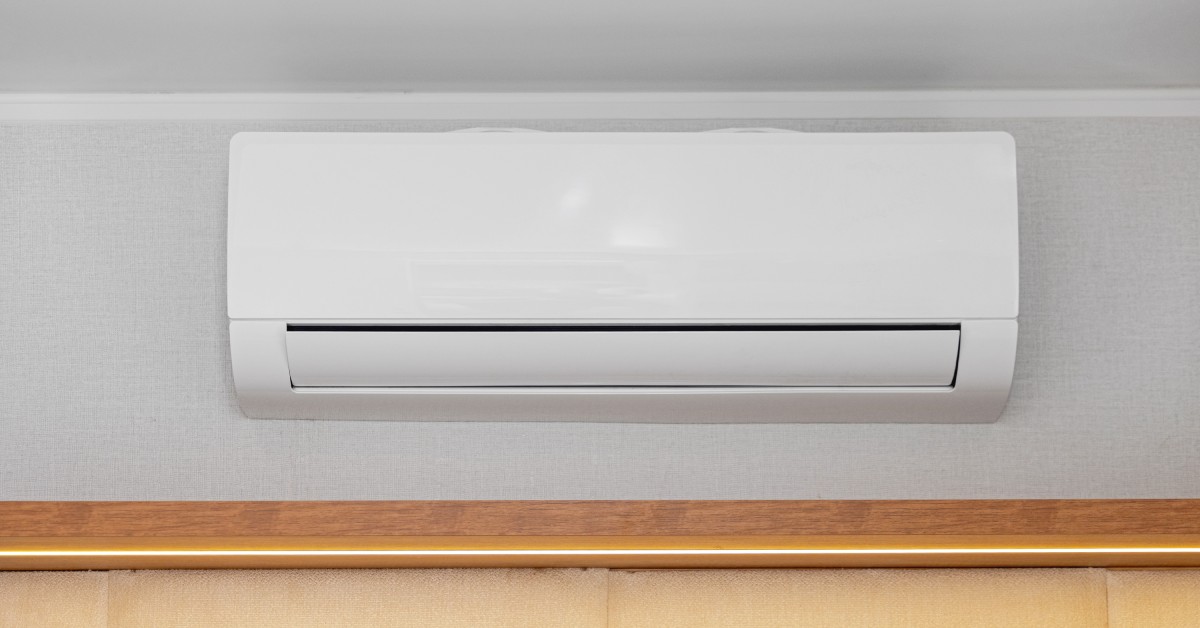
Ductless mini split systems have surged in popularity for good reason. These units use a condenser outside the home, connected to one or more air handlers mounted high on interior walls by a small conduit. Because they do not rely on your home’s existing ductwork, they completely bypass the energy loss associated with leaky floor vents.
The primary advantage of a mini-split lies in its zoning capability. You can install an air handler in the living room and another in the primary bedroom, allowing you to control the temperature in each room independently. If you are watching a movie in the living room, you do not need to pay to cool the empty bedroom.
Mini split systems also operate with a whisper-quiet efficiency that window units simply cannot match. While the upfront cost exceeds that of a window unit, the long-term energy savings often justify the investment. Professional installation is necessary to charge the refrigerant lines correctly, but the process is generally less invasive than installing a new central system from scratch.
Central AC Systems
For homeowners who prefer a streamlined look and whole-home consistency, a central air conditioning system remains the gold standard. In the context of manufactured housing, this typically involves a “packaged unit”—a single cabinet that houses both the compressor and the air handler, usually sitting on a concrete pad outside the home. These units connect directly to your under-floor supply and return ducts.
Investing in dedicated mobile home HVAC systems guarantees that the equipment matches the specific static pressure requirements of your ductwork. Standard residential units often push air too hard for the smaller ducts found in manufactured homes, leading to noise and equipment failure. A properly sized central system filters air more effectively than window units and maintains an even temperature throughout the house. However, this option requires your existing ductwork to be in excellent condition. If your ducts are rusted or collapsed, you will need to repair them before a central system can perform effectively.
Evaporative Coolers (Swamp Coolers)
If you live in a hot, dry climate, an evaporative cooler might serve as your most economical choice. These systems work on a simple principle: water evaporates, absorbing heat from the air. A fan pulls hot outside air through water-saturated pads, cooling it significantly before blowing it into the home.
The benefits here are twofold.
- First, evaporative coolers use a fraction of the electricity required by compressor-based air conditioners.
- Second, they add moisture to the air, making the indoor environment feel more comfortable in arid regions.
Physics limits their effectiveness. As humidity levels rise, the cooling power drops. If you live in a humid region like the Southeast or Midwest, a swamp cooler will likely leave your home feeling damp and sticky rather than cool. They also require a steady water supply and regular maintenance to prevent mineral buildup on the pads.
Portable Air Conditioners
For those who need an immediate solution without permanent installation, portable air conditioners offer flexibility. These freestanding units sit on the floor and vent hot air through a hose connected to a window slider kit. You can roll them from the living room during the day to the bedroom at night.
Portable units shine in their ease of setup. You do not need to cut holes in walls or hire an electrician. They provide a viable option for renters or for spot-cooling specific areas in a home with a weak central system. Nevertheless, they come with trade-offs. Portable units occupy valuable floor space and tend to be less efficient than window units because they generate heat inside the room that must then be exhausted. They also tend to be noisier than mini-splits, as the compressor sits right there in the room with you.

Other Tips for Cooling Mobile Homes
Upgrading your AC unit represents only half the battle. To truly master your indoor climate, you must reduce the amount of heat entering your home in the first place. By tightening up your home’s envelope, you allow your cooling system to run less often and last longer.
Improving Insulation
Strengthening the barrier between indoors and outdoors yields significant comfort dividends. Many mobile home owners find success by adding insulation to the roof cavity or installing insulated skirting around the base of the home. Insulated skirting creates a thermal buffer for the crawl space, keeping the floor cooler and protecting your ducts from extreme temperatures. While blown-in insulation for walls requires professional equipment, adding batting to accessible areas or upgrading the underbelly material helps retain the cool air you pay to produce.
Enhancing Ventilation
Stagnant air makes a room feel warmer than the thermostat indicates. Ceiling fans create a wind-chill effect, allowing you to set your AC a few degrees higher without sacrificing comfort. In the kitchen and bathroom, utilize exhaust fans to pull out heat and humidity generated by cooking and showering. If your home has an attic, verify that roof vents remain unblocked to allow superheated air to escape rather than radiate down into your living quarters.
Window Treatments
Windows act as magnifying glasses for the sun’s energy. High-quality window treatments stop this heat transfer before it creates a problem. Solar control films applied directly to the glass can reject a significant percentage of solar heat while still admitting light. For a simpler approach, install cellular shades (honeycomb blinds) or thick blackout curtains. Closing these treatments during the hottest part of the day, particularly on south and west-facing windows, drastically reduces the workload on your air conditioner.
Landscaping for Shade
Nature provides one of the most effective cooling tools available: shade. Planting deciduous trees on the south and west sides of your home creates a natural canopy that blocks intense afternoon sun. In the winter, when the leaves fall, the sun shines through to help warm the home. Even planting smaller shrubs around your AC condenser unit can help; shading the unit allows it to disperse heat more efficiently, provided you leave enough clearance for airflow.
Achieving True Comfort
The reliance on a noisy, inefficient window unit need not be your permanent reality. Whether you opt for the whisper-quiet zoning of a mini split, the whole-home power of a packaged central system, or the energy-sipping efficiency of an evaporative cooler, a solution exists that fits your specific situation.
Take the time to assess your local climate, inspect your current ductwork, and determine your budget. By combining the right equipment with smart improvements to insulation and shading, you can transform your mobile home from a summer hotbox into a cool, inviting retreat. You deserve a home that keeps you comfortable, no matter how high the mercury climbs outside.
.jpg?height=200&name=CapitolSuppyAndService-382414-Finger-Presses-Thermostat-BlogBanner1(1).jpg)